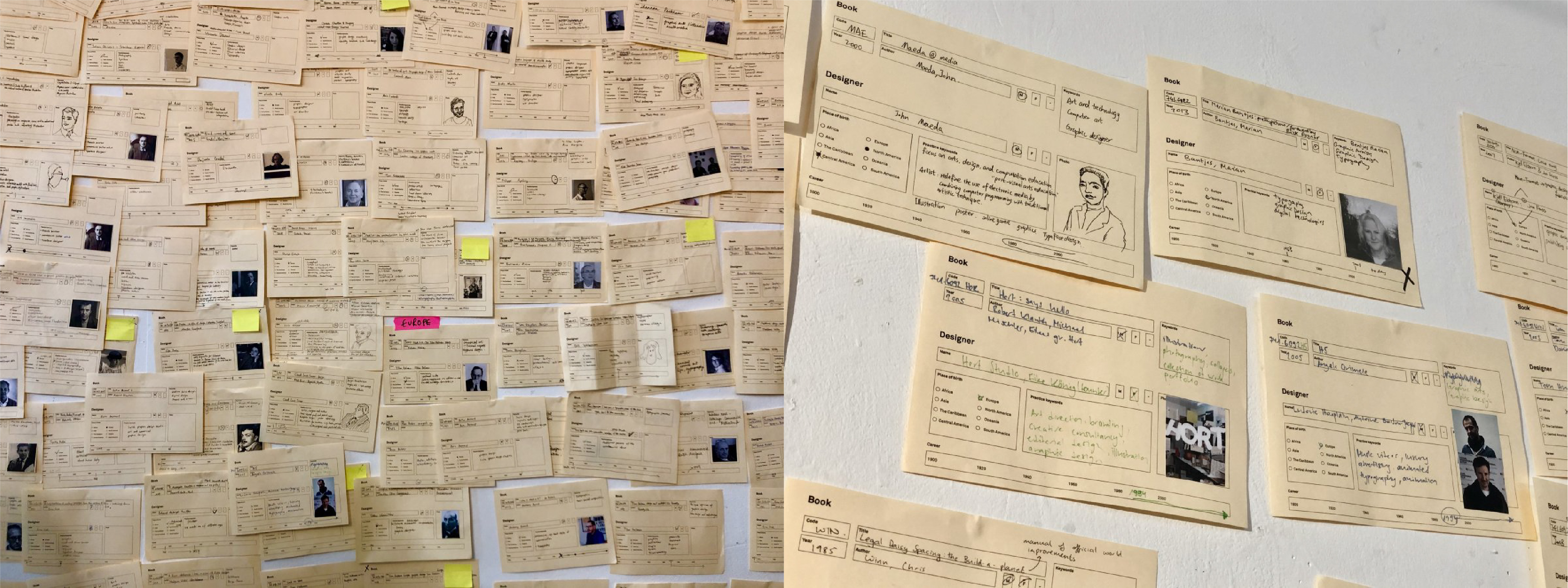
741.6092 began by treating a library collection not simply as a source of references, but as a dataset. Working as a group, we documented the graphic designers represented in section 741.6092 and mapped information including gender, geography, period of activity and areas of practice. By arranging these profiles together, the collection became something we could read comparatively: patterns appeared, gaps became visible, and individual histories began to stand out.
The exercise also raised a broader question about archives. A collection does not simply preserve design history; through what it includes and excludes, it also shapes the histories that are easiest to see.
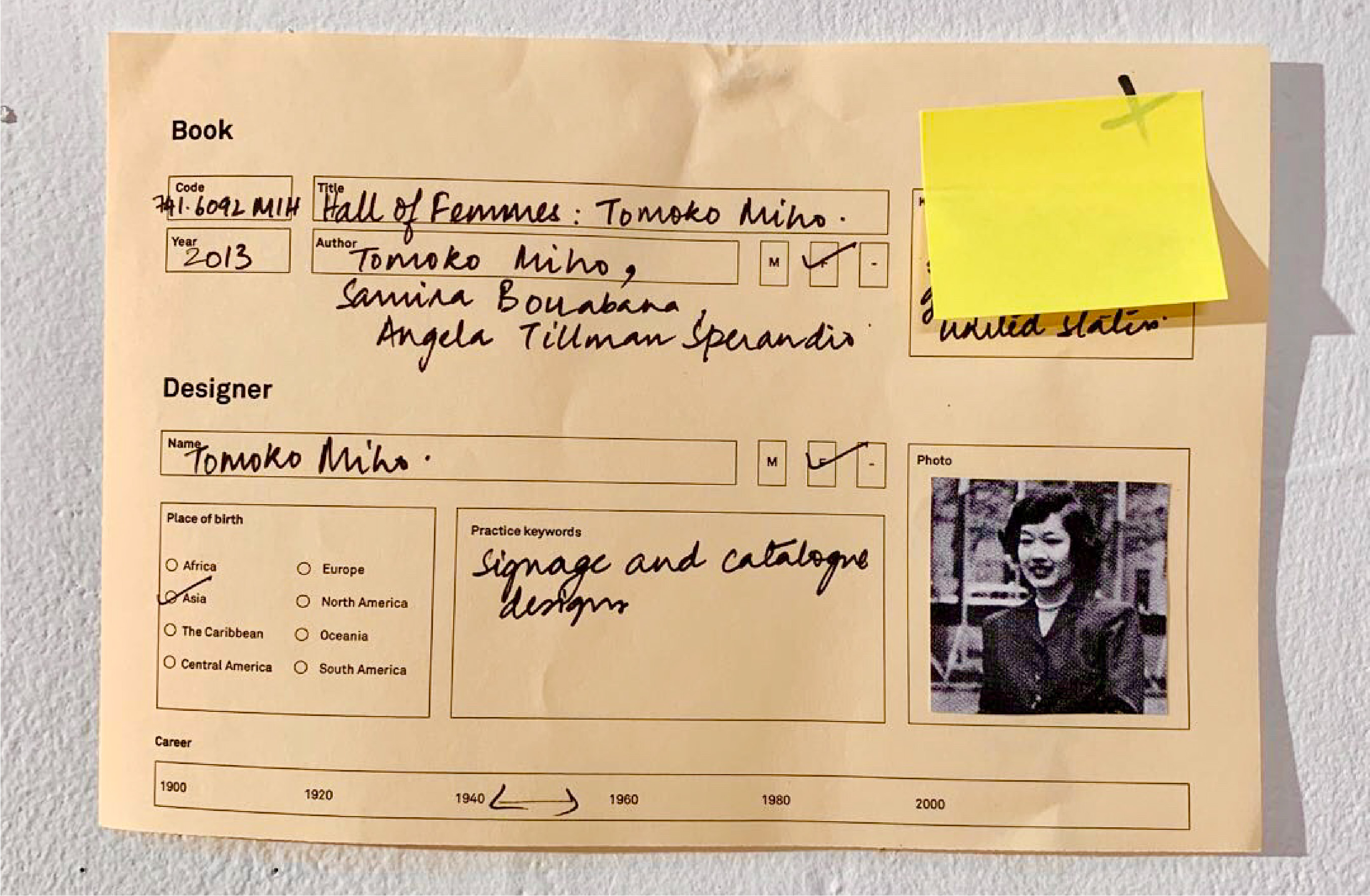
Within this dataset, one profile drew our attention: Tomoko Miho. In our sample, she appeared to be the only female graphic designer whose professional activity continued through the Second World War period. We used this observation as a starting point rather than an endpoint, moving from quantitative comparison into a closer study of her graphic practice.
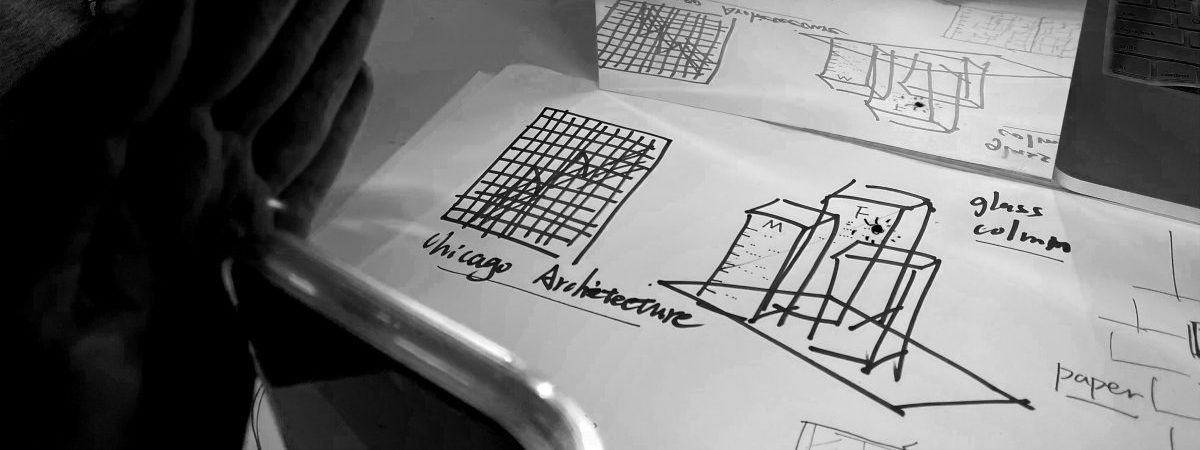
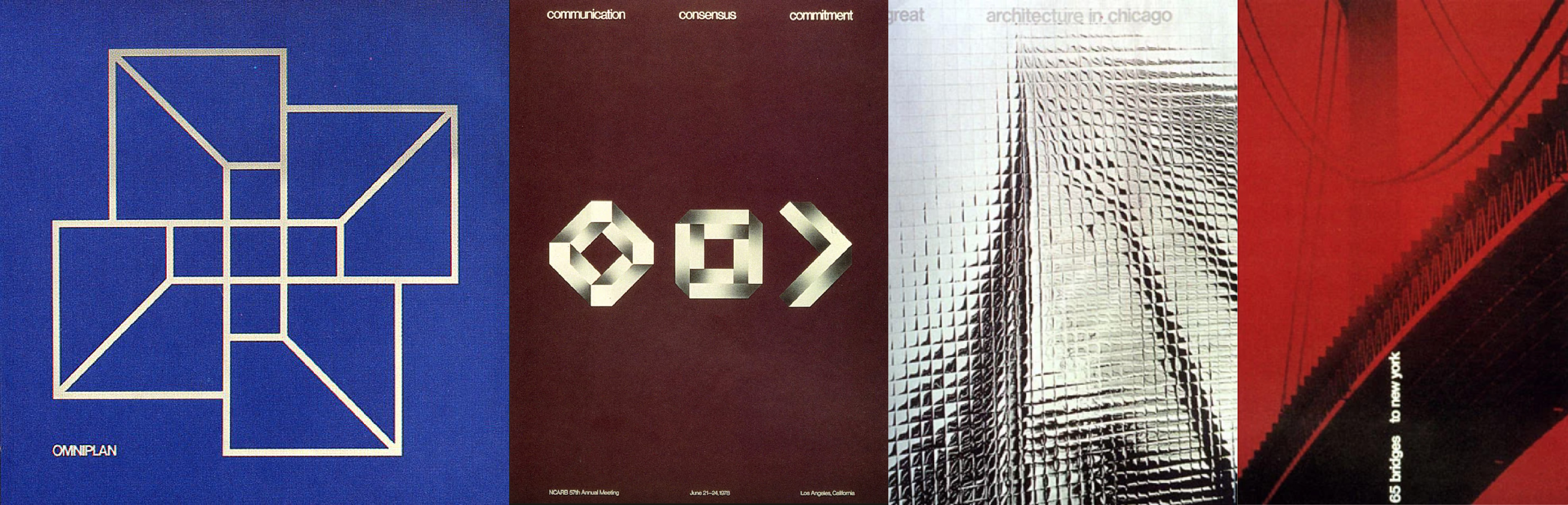
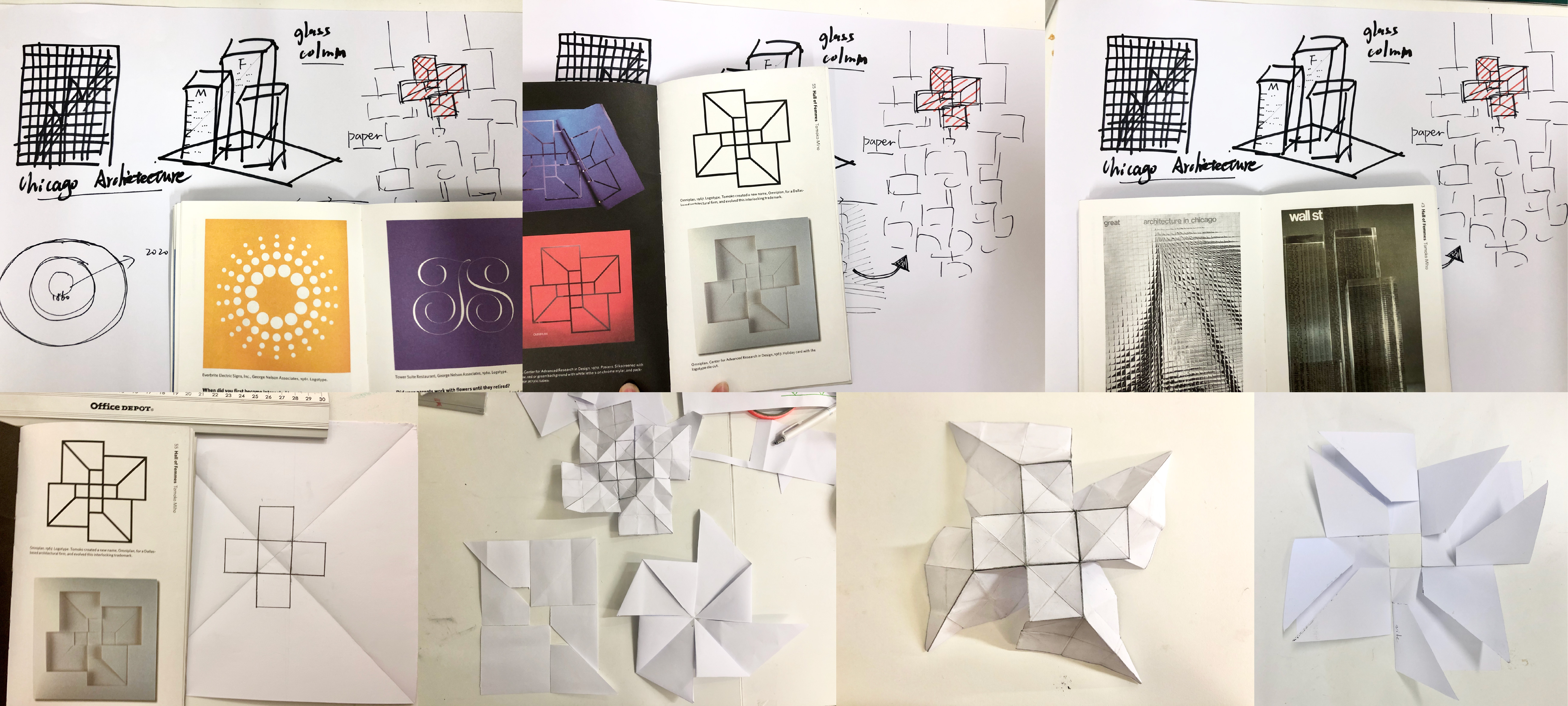
Looking across Miho’s work, we became interested in the way she created depth and architectural structure through flat graphic elements. Grids, intersecting planes, repeated geometries and changes in scale often suggested three-dimensional space without leaving the printed surface. Her work appeared to move constantly between graphic composition and spatial construction.
We translated this visual observation into a material experiment. Origami offered a direct connection between two and three dimensions: a flat sheet could hold information as a graphic surface, while folding could turn the same surface into volume and structure. Through sketches, references and repeated paper prototypes, we developed a modular folded form informed by the geometric logic we identified in Miho’s work.
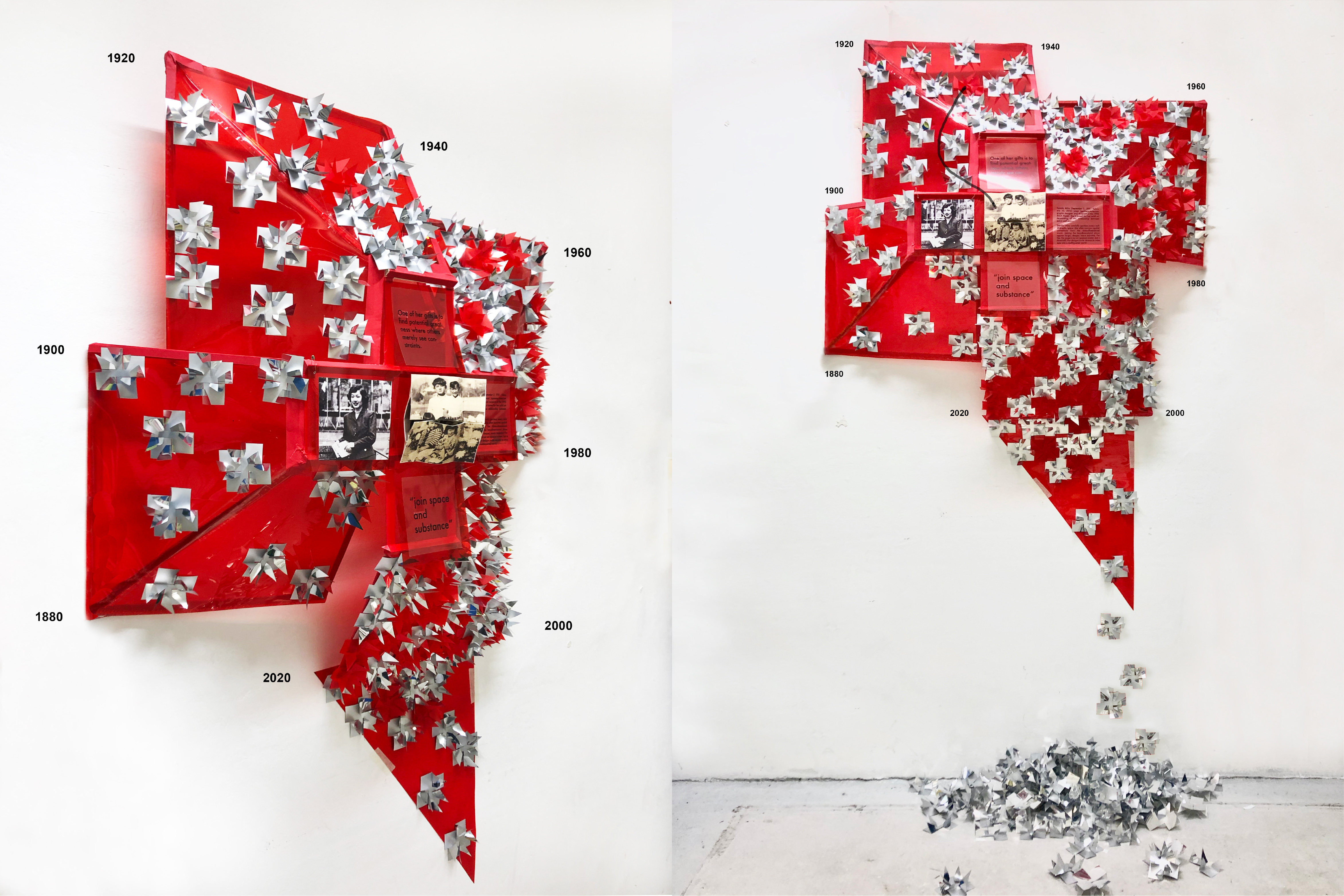
Each folded unit represented one designer in the dataset. Colour encoded gender, while the accumulation and placement of units expressed the distribution of designers across time. The visualisation therefore became more than a chart: data was translated into material density, depth and spatial relationships.
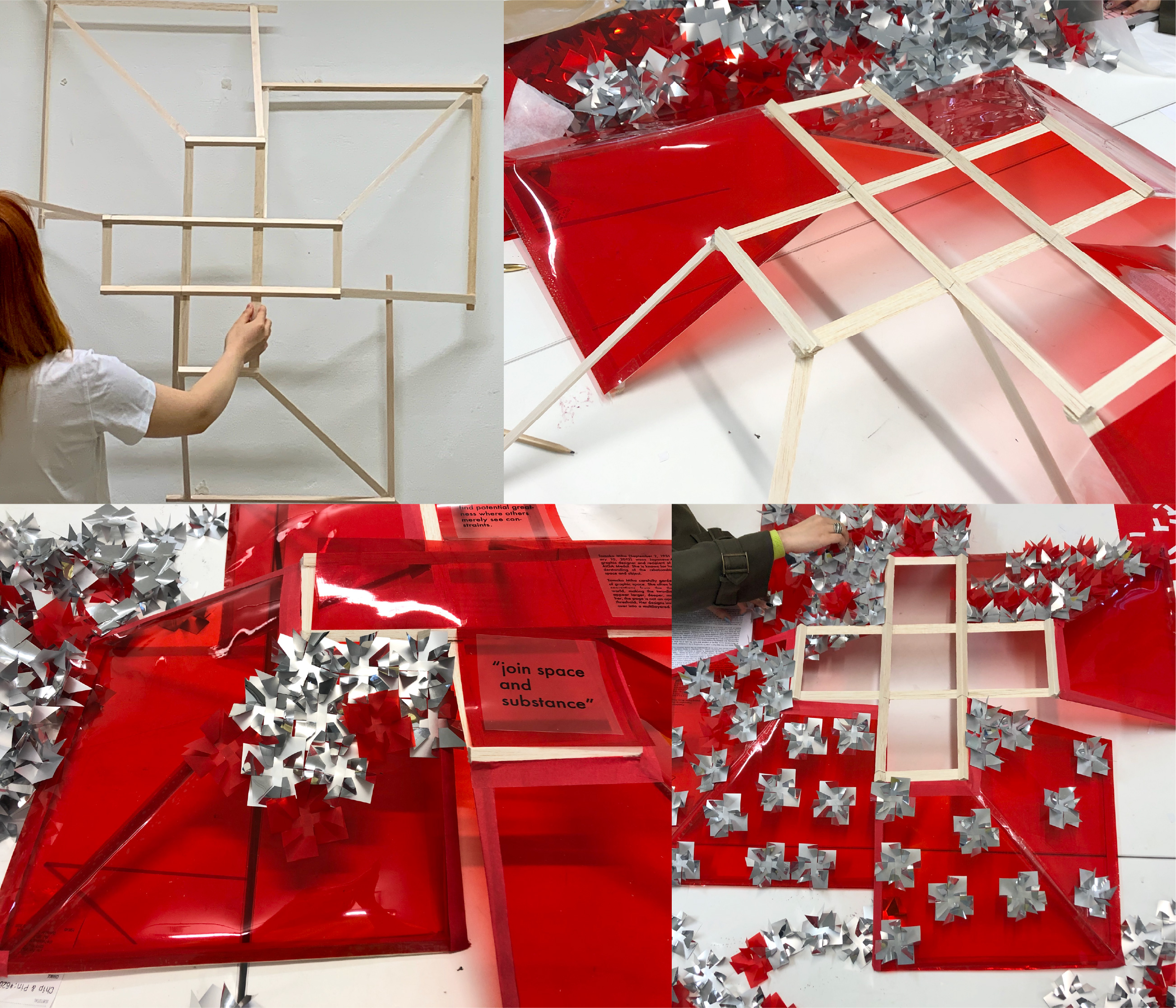
The final stage scaled this system into an installation. We built a geometric wooden framework, added translucent red planes and populated the structure with repeated folded units. The installation was organised chronologically, allowing the distribution of designers from the late nineteenth century to the present to become visible across the overall form. Miho’s profile and selected archival material were placed within the centre of the structure, connecting the larger dataset back to the individual story that had emerged from it.
741.6092 became an experiment in data storytelling through form rather than through conventional graphs alone. The project moved from archival research to comparative analysis, from one overlooked profile to formal visual study, and finally from folding logic to spatial installation. By allowing the visual language of a designer discovered through the dataset to influence the form of the visualisation itself, the project connected data, graphic design and material construction into a single narrative.
 Marci Chi Ma